October 21, 2026
In recent years, the landscape of residential building has undergone a significant transformation, with a growing emphasis on environmental responsibility and long-term sustainability. Homeowners are increasingly seeking ways to minimize their ecological footprint while maximizing comfort and efficiency within their living spaces. This shift has led to the rise of innovative sustainable building trends that are reshaping the way modern residences are designed and brought to life. When planning a new project, integrating these eco-friendly practices from the very beginning is essential. The process of custom home construction allows for complete control over every material and system chosen, providing the perfect opportunity to implement cutting-edge green technologies. By embracing these advancements, individuals can create beautiful, resilient living environments that harmonize with nature. Understanding the most impactful sustainable trends is the initial step toward building a residence that is not only visually stunning but also environmentally conscious.
Energy Efficient Insulation and Materials
A cornerstone of sustainable design is the implementation of superior thermal barriers to maintain optimal indoor temperatures year-round. Traditional fiberglass batts are frequently being replaced by more advanced alternatives such as spray foam, rigid board, and natural options like recycled denim. These high-performance materials create a tight building envelope, preventing heat loss during the winter and keeping the interior cool during the summer. This exceptional temperature regulation reduces the heavy reliance on heating, ventilation, and air conditioning systems, lowering overall energy consumption. When entering the phase of custom home construction, prioritizing top-tier insulation is a highly effective strategy for long-term sustainability. According to Source Advisors, homes that meet the strict EPA standards for ENERGY STAR certification are up to 50% more efficient than those built before the 1990s and at least 10% more efficient than standard new constructions. By investing in these superior thermal barriers, property owners ensure their residence exceeds standard efficiency metrics. The reduction in energy demand lessens the environmental impact while creating a vastly more comfortable indoor climate for the occupants.
Advanced Water Conservation Systems
Protecting our vital water resources is a major focus in modern green building practices. Innovators in the plumbing industry have developed a wide array of fixtures designed to drastically reduce water usage without compromising performance or luxury. Low-flow showerheads, dual-flush toilets, and aerated faucets are now standard expectations in environmentally responsible design. Beyond basic fixtures, comprehensive approaches include the installation of rainwater harvesting systems. These systems collect precipitation from the roof and store it for non-potable uses such as landscape irrigation and exterior washing. Greywater recycling is another powerful method, capturing lightly used water from sinks to be filtered and reused for the garden. Incorporating these intricate plumbing solutions during custom home construction guarantees that the residence operates with maximum water efficiency from the very beginning. Furthermore, landscaping choices play a critical role; planting native, drought-resistant flora minimizes the need for supplemental watering. By combining smart indoor plumbing technology with thoughtful outdoor planning, it is possible to lower a property's total water consumption while maintaining a beautiful environment.
Smart Home Automation Integration
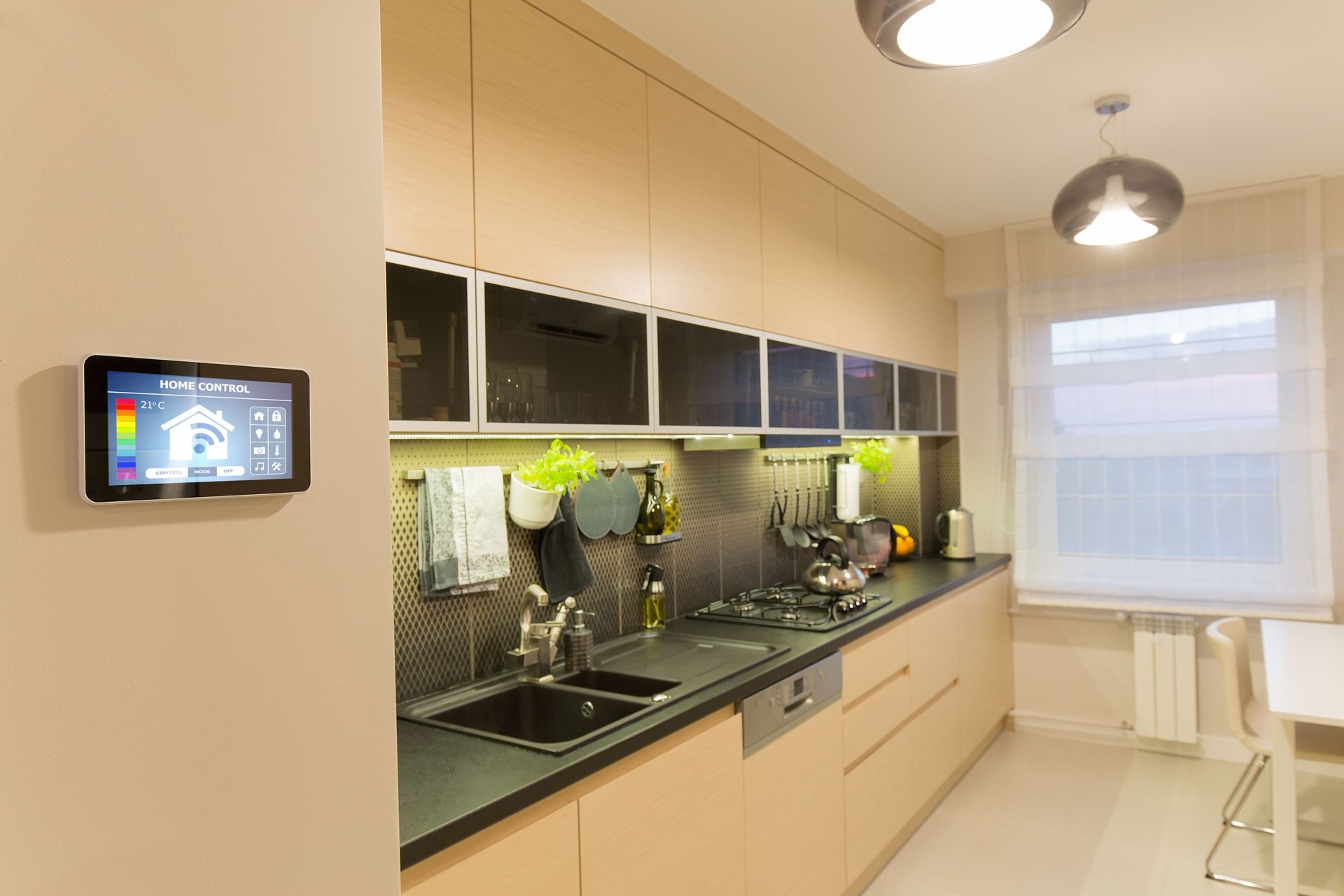
The rise of intelligent technology has provided unprecedented opportunities to manage household resources with precision. Automated systems can seamlessly connect various components of a residence, allowing them to communicate and operate efficiently. Smart thermostats learn occupants' schedules and temperature preferences, automatically adjusting the climate to conserve energy when the house is empty. Intelligent lighting systems utilize motion sensors and ambient light detectors to ensure bulbs are only illuminated when necessary and dim automatically when natural daylight is sufficient. Integrating these sophisticated networks during the initial phases of custom home construction ensures that all wiring and sensors are perfectly positioned for optimal functionality. Homeowners can monitor their real-time energy consumption through intuitive mobile applications, empowering them to make informed decisions about daily habits. Automated window shades can even be programmed to close during the hottest parts of the day, naturally keeping the interior cool. This seamless blend of technology and daily life creates an environment constantly working to minimize waste while maximizing convenience.
Passive Solar Design Principles
Harnessing the natural power of the sun through thoughtful architectural planning is a timeless strategy seeing a massive resurgence. Passive solar design involves strategically orienting the building and placing windows to maximize beneficial heat gain during colder months while minimizing it during warmer seasons. Large, south-facing windows allow the low winter sun to penetrate deep into the living spaces, warming thermal mass materials like concrete or stone floors. These materials absorb the heat throughout the day and slowly release it as the ambient temperature drops in the evening. Conversely, properly sized roof overhangs block the high summer sun from entering the windows, keeping the interior comfortably shaded. Applying these architectural strategies to a new building project requires careful analysis of the specific plot of land, local climate patterns, and the path of the sun. When executed correctly, passive solar design drastically decreases the need for artificial climate control. This approach provides exceptional energy efficiency while flooding the interior with abundant natural light, enhancing the overall mood of the living spaces.
Sustainable Building Material Sourcing
The materials chosen to build a residence have a profound impact on its overall ecological footprint. Sustainable sourcing involves selecting products that are renewable, recycled, or manufactured with minimal environmental degradation. Bamboo, for example, is a rapidly renewable resource that makes for highly durable and beautiful flooring. Reclaimed wood salvaged from older structures adds unique character and prevents viable timber from ending up in landfills. Utilizing local materials reduces the transportation emissions associated with shipping heavy supplies over long distances. Indoor air quality is also greatly improved by selecting paints, sealants, and adhesives that have low volatile organic compounds. Avoiding these harmful chemicals ensures a healthier living environment. Throughout the process of custom home construction, prioritizing green materials demonstrates a deep commitment to environmental stewardship. Furthermore, many modern synthetic materials are now being manufactured from recycled plastics and metals, offering exceptional durability while diverting waste. By thoughtfully considering the lifecycle of every product, builders can collectively reduce the environmental impact of creating a new residence.
Renewable On-Site Power Generation
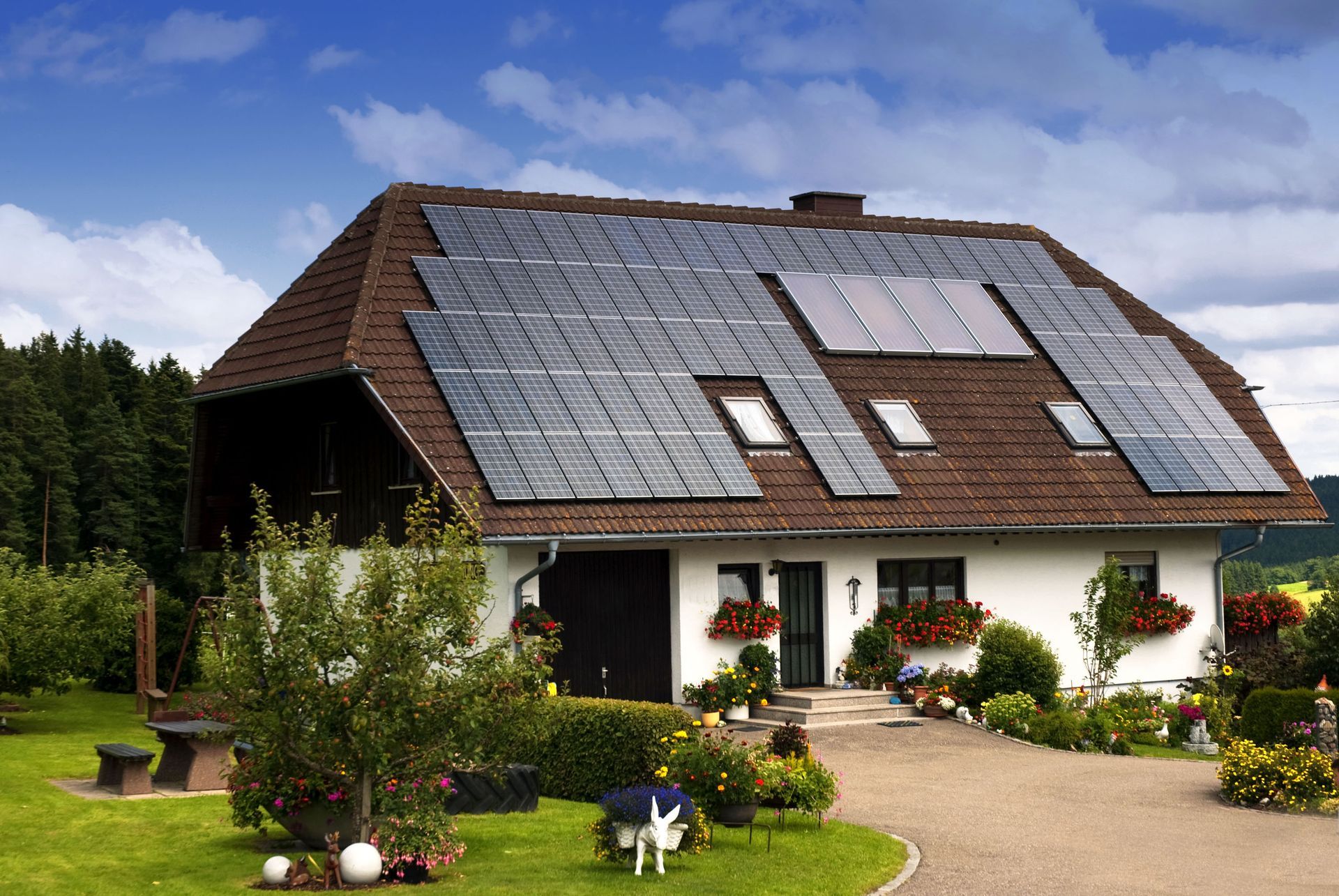
Beyond reducing energy demand through insulation and smart design, generating clean power on-site is the ultimate goal for sustainable living. Solar photovoltaic panels have become increasingly sleek, affordable, and highly efficient, making them a standard addition to many green building projects. These panels capture sunlight and convert it directly into electricity, significantly offsetting reliance on the traditional power grid. Geothermal heating and cooling systems offer another remarkable renewable energy solution by utilizing the consistent temperature of the earth below the frost line to regulate indoor climates. When planning your custom home construction, evaluating the feasibility of these renewable energy systems is crucial for achieving true energy independence. Integrating solar panels or geothermal loops from the drafting phase ensures the architecture and electrical systems are perfectly optimized to support them. By generating clean, renewable power right on the property, residents can enjoy substantial utility savings while drastically minimizing their carbon emissions over the lifespan of the property.
Creating a truly sustainable living space requires careful planning, deep industry knowledge, and an unwavering commitment to quality craftsmanship. By embracing advanced insulation, smart technology, renewable materials, and solar design, your new residence can become a beacon of environmental responsibility. If you are ready to start planning your dream project with sustainability at the forefront, the right team can guide you through every step of the process. For expert guidance on incorporating green trends into your next custom home construction, call Dean Adams Custom Builder LLC today to learn more and begin your journey toward an eco-friendly future.